Enable is the correct standard English word when you mean to make something possible, allow someone to do something, or turn on a feature. Inable is generally not the correct…
Triple is the correct spelling. Tripple is a common misspelling and is not the standard spelling in modern English. If you mean “three times as much,” “consisting of three parts,”…
Comparable is the correct standard English spelling. Comprable is a common misspelling caused by leaving out the second a in the middle of the word. Cambridge defines comparable as similar…
Crier is the standard spelling in modern English when you mean a person who cries or someone who makes a public announcement, such as a town crier. Cryer is much…
Converter is the standard and much more commonly used spelling in modern English. Convertor is also a recognized variant, so it is not simply a spelling mistake. Both words can…
Plaque is the standard spelling in modern English. It can refer to a flat commemorative or decorative plate, the bacterial substance that forms on teeth, or a medical deposit or…
Together is the correct spelling when you mean “with each other,” “jointly,” “in the same place,” or “as a combined group.” Togather is not the standard spelling of this word.…
Cheer is the standard modern English spelling. It can be used as a noun or verb to describe encouragement, a shout of support, happiness, or the act of making someone…
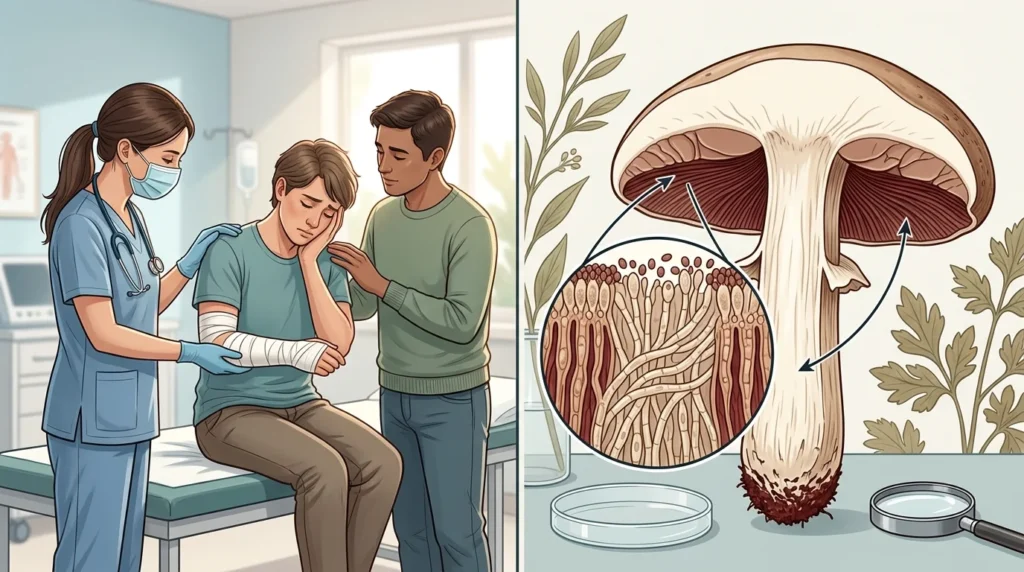
Trauma is the correct word when you mean physical injury, severe emotional shock, or psychological distress. Trama is not an alternative spelling of trauma. In ordinary English writing, using trama…
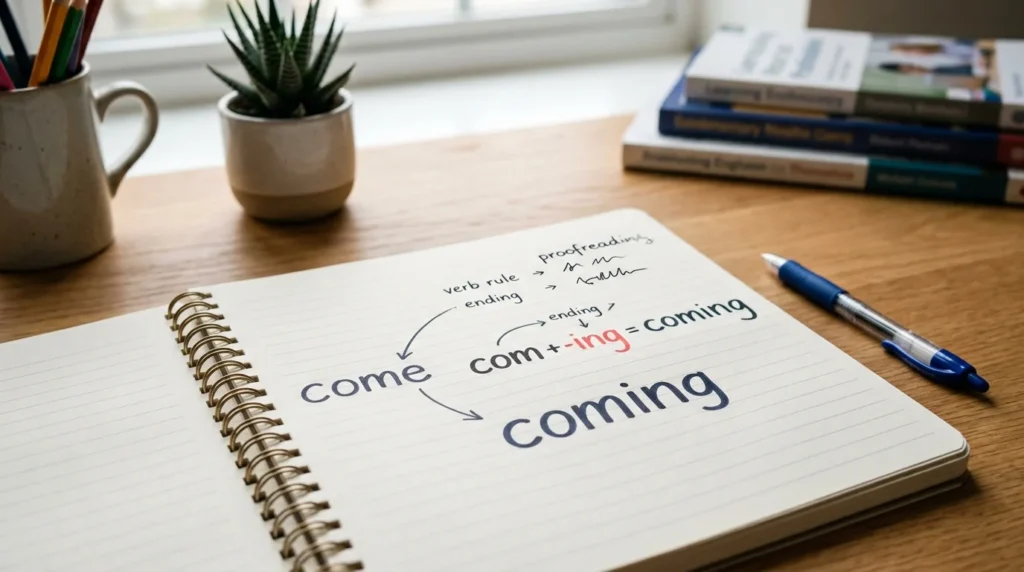
Coming is the correct spelling. Comming is a misspelling when you mean the -ing form of the verb come. The correct spelling is formed by removing the final silent e…