

Emaculate and immaculate look very similar, but only one is the standard spelling in modern English. The correct word is immaculate. It means completely clean, spotless, flawless, or perfectly neat.
Emaculate is generally a misspelling of immaculate. If you are writing an email, essay, article, professional document, or social media post, use immaculate.
Quick Answer: Emaculate or Immaculate?
| Word | Correct? | Meaning |
|---|---|---|
| Immaculate | Yes | Completely clean, spotless, perfect, or flawless |
| Emaculate | No, in standard English | Usually a misspelling of “immaculate” |
The correct spelling is immaculate, with imm- at the beginning. For example: “The hotel room was immaculate.”
What Is the Difference Between Emaculate and Immaculate?
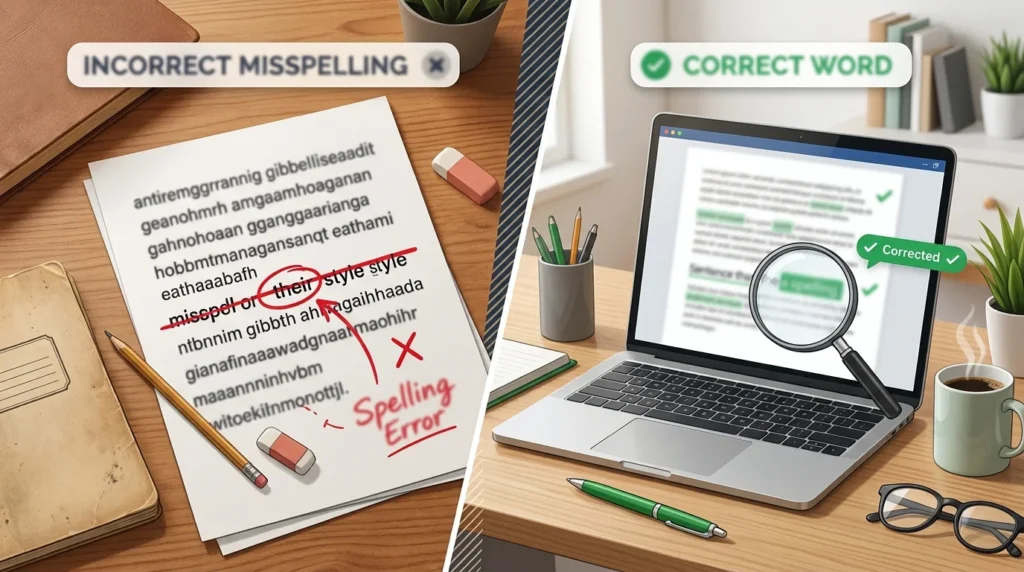
The main difference is spelling and standard usage. Immaculate is the established English word, while emaculate is generally an incorrect spelling.
Immaculate can describe something that is extremely clean or tidy, such as an immaculate kitchen. It can also describe something that is perfect or without flaws, such as an immaculate performance or an immaculate record.
What Does Immaculate Mean?
Immaculate is an adjective used to describe something that is completely clean, neat, flawless, or free from imperfections.
For example, if someone’s house is extremely clean and organized, you can say that the house is immaculate. The word can also be used more broadly when something appears perfect or without mistakes.
Examples of Immaculate
- Her bedroom was absolutely immaculate.
- The chef kept the kitchen immaculate.
- He arrived wearing an immaculate white shirt.
- The car was in immaculate condition.
- She gave an immaculate performance.
Why Is “Emaculate” Incorrect?
Emaculate is a common spelling mistake because the pronunciation and structure of immaculate can make the beginning of the word easy to misremember.
People may replace the initial imm- with em-, producing “emaculate.” However, this is not the standard spelling of the adjective used to mean spotless or flawless.
If you are unsure, remember that the correct form begins with imm: immaculate.
See Also:
How to Use Immaculate in a Sentence
Immaculate is normally placed before a noun or after a linking verb such as is, was, or looked.
Immaculate Before a Noun
You can use immaculate directly before a noun to describe something as exceptionally clean, neat, or flawless.
- She lives in an immaculate apartment.
- He wore an immaculate suit to the interview.
- The hotel has immaculate rooms.
- They restored the house to immaculate condition.
Immaculate After a Linking Verb
You can also use immaculate after verbs such as “is,” “was,” “looks,” or “seems.”
- The kitchen is immaculate.
- Her office was immaculate.
- The car looks immaculate.
- The garden seems immaculate after the cleanup.
Emaculate vs Immaculate Examples
| Incorrect | Correct |
|---|---|
| The room was emaculate. | The room was immaculate. |
| Her house is emaculate. | Her house is immaculate. |
| He keeps his car emaculate. | He keeps his car immaculate. |
| The hotel was emaculate. | The hotel was immaculate. |
| She gave an emaculate performance. | She gave an immaculate performance. |
Common Mistakes With Immaculate
The most common mistake is replacing imm- with em-. Another mistake is assuming that “emaculate” is an alternative spelling. In standard modern English, it is not the normal spelling of the word.
Another useful point is that immaculate does not only mean physically clean. Depending on context, it can describe appearance, behavior, records, performances, work, or other things considered flawless or without noticeable imperfections.
Immaculate Meaning in Different Contexts
Immaculate for Cleanliness
When talking about cleanliness, immaculate means extremely clean and well maintained.
Example: “The restaurant’s dining area was immaculate.”
Immaculate for Appearance
Immaculate can describe something that looks exceptionally neat, polished, or well presented.
Example: “He arrived at the event in an immaculate suit.”
See Also:
Immaculate for Performance or Work
The word can also describe work or performance that appears flawless or exceptionally well executed.
Example: “The team delivered an immaculate performance.”
Immaculate for a Record
Immaculate can describe a record with no losses, failures, violations, or other negative entries, depending on the context.
Example: “The athlete maintained an immaculate record throughout the season.”
See Also:
Is Emaculate a Word?
“Emaculate” is not the standard spelling you should use when you mean completely clean, spotless, or flawless. In ordinary English writing, it is generally treated as a misspelling of immaculate.
If you see “emaculate” in informal writing, the writer most likely intended to write immaculate.
See Also:
Immaculate vs Immaculately
Immaculate is an adjective, while immaculately is an adverb.
| Word | Part of Speech | Example |
|---|---|---|
| Immaculate | Adjective | The room is immaculate. |
| Immaculately | Adverb | The room was immaculately maintained. |
Easy Way to Remember the Correct Spelling
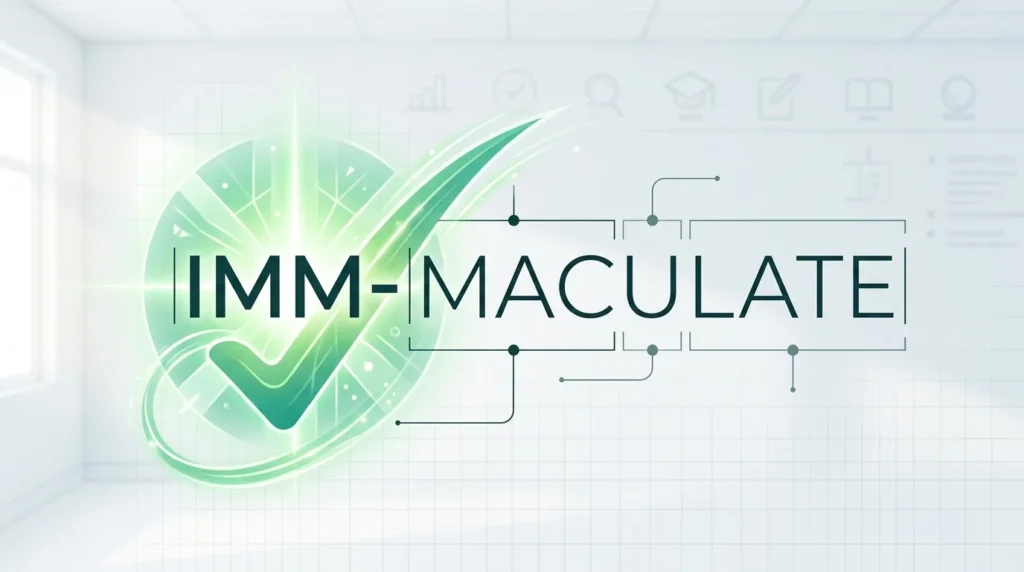
A simple way to remember the spelling is to focus on the beginning: IMMACULATE.
Think of “imm-” as the fixed beginning of the word. Avoid changing it to “em-”.
Correct: immaculate
Incorrect: emaculate
Frequently Asked Questions
Is emaculate or immaculate correct?
Immaculate is correct. “Emaculate” is generally a misspelling of “immaculate.”
What does immaculate mean?
Immaculate means completely clean, spotless, very neat, or free from imperfections. It can also describe something that is considered flawless.
How do you spell immaculate?
The correct spelling is immaculate: I-M-M-A-C-U-L-A-T-E.
Why do people spell immaculate as emaculate?
The mistake usually happens because the beginning of the word can be misremembered or spelled according to how someone thinks it sounds. The standard spelling begins with imm-.
Can immaculate mean perfect?
Yes. Depending on the context, immaculate can mean flawless or without imperfections, in addition to meaning extremely clean.
Is immaculate formal or informal?
Immaculate works in both everyday and formal English. For example, you can describe a clean room as immaculate in casual conversation or use the word in professional writing.
What is the opposite of immaculate?
Depending on the context, possible opposites include dirty, messy, untidy, flawed, or imperfect.
Final Answer: Emaculate vs Immaculate
Immaculate is the correct spelling. It means completely clean, spotless, neat, or flawless. Emaculate is generally a misspelling and should be avoided in standard English writing.
If you are choosing between the two, use immaculate: “The room was immaculate.”
See Also:
WRYD Meaning in Text: What It Means & How to Use It
LGHT Meaning in Text: What Does LGHT Mean?
TBH Meaning in Text Explained: Full Form, Uses, Examples & Replies